
🐐 1. Raising Changthangi Goats (Raw Material Source)
-
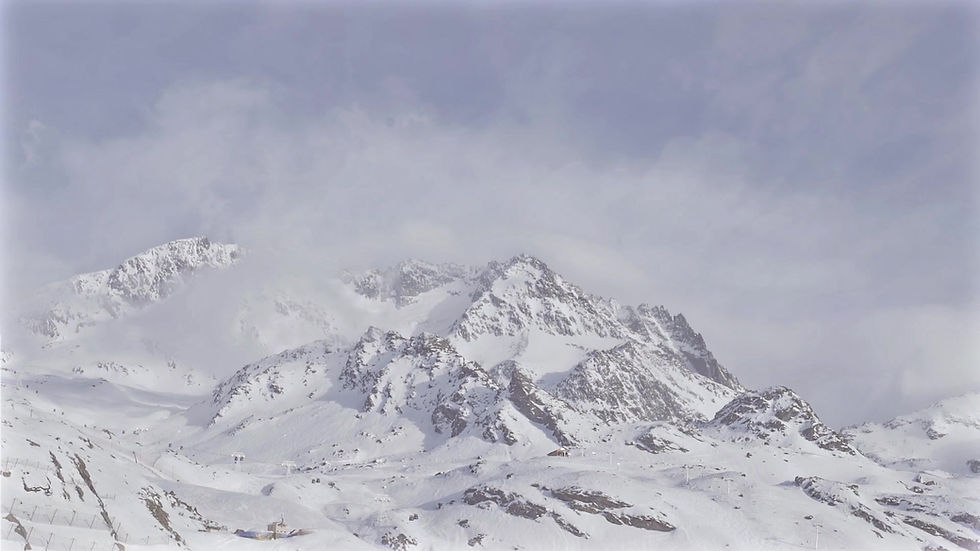
Pashmina comes from Changthangi / Changra goats, found in the Changthang region of Ladakh & Tibet at 14,000+ ft altitude.
-
These goats develop an ultra-fine inner undercoat (called Pashm) to survive freezing temperatures of −40°C.
✂️ 2. Combing the Goats (Not Shearing)
-
In spring (March–May), goats naturally shed their winter fleece.
-
Shepherds hand-comb the goats using wooden combs.
-
This process:
-
Is gentle
-
Keeps the goats unharmed
-
Yields very fine, delicate fibres (12–16 microns)
-
-
Each goat produces only 80–150 grams of usable Pashmina per year.
🧹 3. Cleaning and Sorting the Raw Pashmina
The collected fleece contains:
-
Dirt
-
Coarse outer hair (guard hair)
-
Natural oils
Artisans hand-sort the fibre to remove impurities and coarse hair.
🧵 4. Hand-spinning the Pashmina Yarn
Traditionally done by women in Kashmir:
-
Using a Charkha (Yinder), they spin the fibres into yarn.
-
This is the most time-consuming step and requires great skill because:
-
Pashmina fibres are extremely fine and break easily.
-
Only hand-spinning preserves the softness and value of authentic Pashmina.
-
Hand-spun yarn is lightweight, warm, and incredibly soft.


🎨 7. Dyeing (Optional)
Some shawls are kept natural (beige, cream, brown).
Others are hand-dyed using eco-friendly dyes.
Good dyeing requires:
-
Even heat control
-
Fibre-safe colors
-
Gentle handling
✂️ 9. Finishing & Quality Testing
The shawl undergoes:
-
Stretching
-
Ironing
-
Trimming
-
Final quality checks
Authentic Pashmina is soft, warm, feather-light, and luxurious.
🎁 10. Final Product – 100% Pure Pashmina Shawl
Once finished, you get:
-
A lightweight (70–140 grams)
-
Super soft
-
Ultra warm
🧶 5. Making the Warp & Weft
-
The spun yarn is wound into balls, washed, and stretched.
-
Artisans prepare warp (long threads) and weft (cross threads) for weaving.
-
Traditionally the warp is also 100% pashmina (no silk or cotton).
🪢 6. Hand-weaving on Wooden Looms
The yarn is woven on ancient-style wooden handlooms by skilled Kashmiri weavers.
Weaving styles include:
-
Plain weave
-
Twill weave
-
Diamond weave
-
Kani weave (intricate patterned style)
-
Jamawar (complex designs taking months or years)
A single shawl can take:
-
3 to 15 days for basic designs
-
Months for Kani or Sozni embroidery
